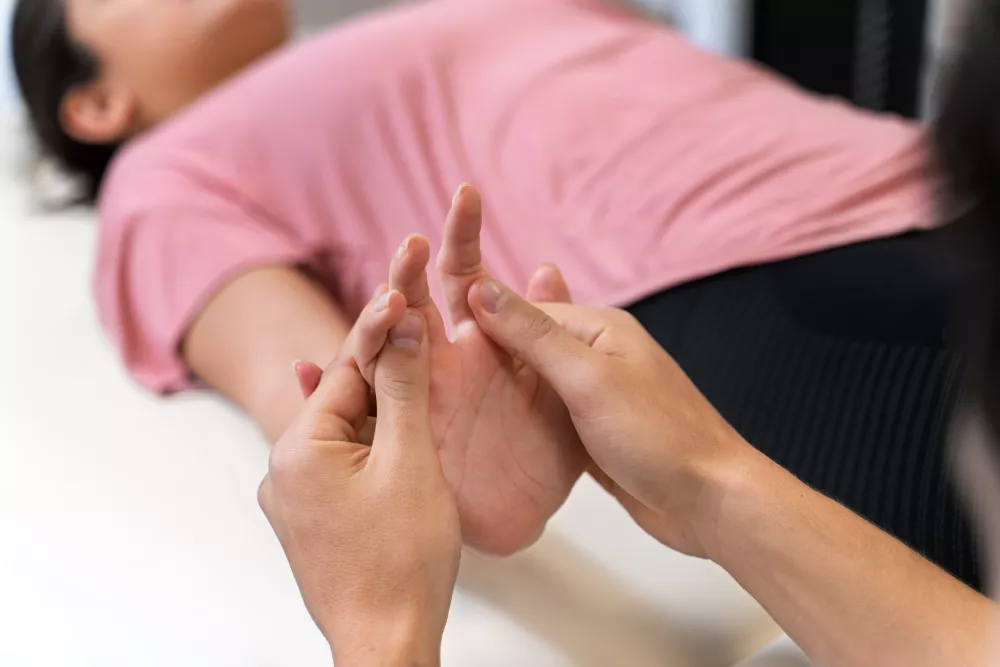
Sujok Therapy is a complementary approach that uses specific points on the hands and feet to promote relaxation, comfort, body awareness, and overall wellbeing.
The word “Su” means hand and “Jok” means foot. Sujok Therapy is based on the concept that particular areas of the hands and feet correspond with different parts of the body.
During therapy, selected points may be gently stimulated using pressure, massage, seeds, small therapeutic tools, or other non-invasive techniques.
The approach is generally used as a complementary therapy alongside appropriate medical, physiotherapy, rehabilitation, or developmental care rather than as a replacement for conventional treatment.
Sujok Therapy may be considered as supportive care for individuals experiencing:
Muscular tension
General physical discomfort
Stress or restlessness
Fatigue
Stiffness
Difficulty relaxing
Sensory regulation needs
Discomfort associated with prolonged physical activity
General wellbeing concerns
Physical tension during rehabilitation
Need for additional relaxation-based support
Suitability is considered according to the individual’s age, condition, comfort, and overall therapy plan.
A Sujok Therapy session is generally gentle and non-invasive.
Depending on individual needs, the therapist may use:
Gentle finger pressure
Point stimulation
Massage techniques
Therapeutic seeds
Small stimulation tools
Circular pressure movements
Relaxation-focused activities
The intensity and duration of stimulation are adjusted according to the individual’s comfort and response.
One of the main aims of Sujok Therapy is to provide a calming and relaxing experience.
Gentle stimulation of the hands and feet may help individuals become more aware of their body and feel more comfortable during or after therapeutic activities.
It may be incorporated into a broader rehabilitation programme when relaxation or sensory support is considered beneficial.
Hands and feet contain many sensory receptors, making them responsive to touch and pressure.
Structured stimulation may provide sensory input that supports body awareness and relaxation.
For individuals participating in rehabilitation or developmental programmes, this can provide an additional sensory experience alongside other therapies.
Sujok Therapy may be used alongside services such as:
Physiotherapy
Pediatric Physiotherapy
Occupational Therapy
Sensory-based intervention
Counselling
Rehabilitation programmes
Other developmental therapies
Its role is supportive, with the primary treatment plan continuing according to the recommendations of appropriate healthcare professionals.
Every individual responds differently to touch and sensory stimulation.
Sessions are therefore adapted according to:
Age
Comfort level
Sensory preferences
Physical condition
Therapeutic goals
Response during the session
Therapy is provided gradually, without forcing uncomfortable stimulation.
Depending on individual needs, Sujok Therapy may support:
Relaxation
General comfort
Body awareness
Reduced muscular tension
Stress management
Sensory engagement
Overall sense of wellbeing
Participation in a broader rehabilitation programme
Responses may vary between individuals, and the therapy is not intended to diagnose or cure medical conditions.
Sujok Therapy offers a simple, non-invasive approach that may be incorporated into a wider therapeutic programme to support relaxation and comfort.
When used appropriately alongside evidence-based medical and rehabilitation care, it can provide an additional supportive experience tailored to the individual.
Before including Sujok Therapy in a programme, the individual’s condition, current treatments, comfort, and therapeutic requirements should be considered.
Where appropriate, it may complement physiotherapy, occupational therapy, counselling, rehabilitation, or other clinical services as part of a coordinated approach to care.