
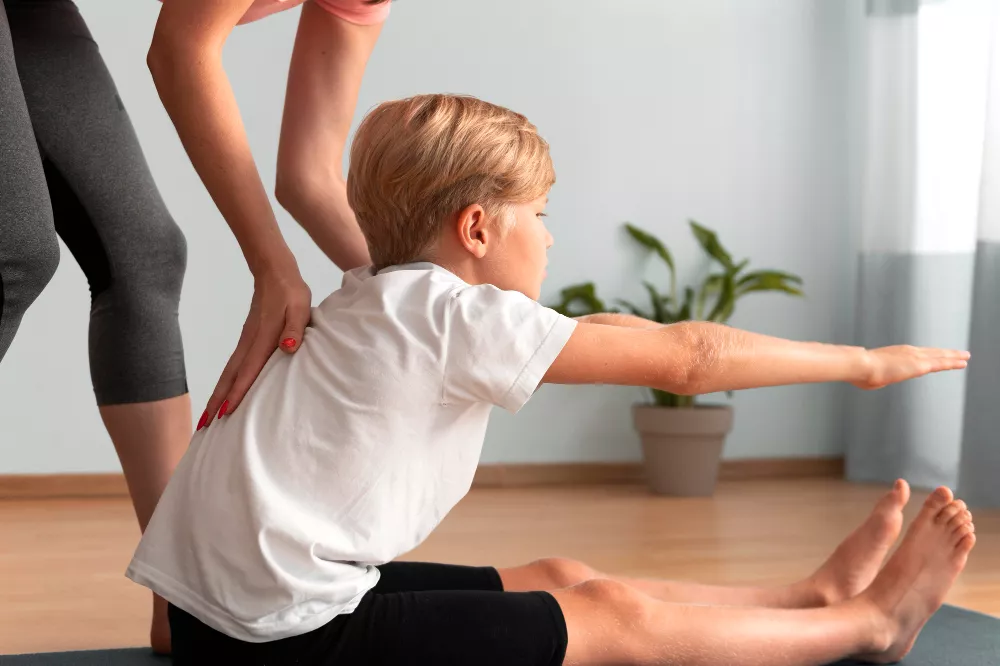
Our Physiotherapy service is designed to help individuals improve mobility, reduce physical limitations, regain strength, and return to daily activities with greater confidence.
Whether recovery is needed after an injury, surgery, neurological condition, musculoskeletal problem, prolonged inactivity, or age-related mobility change, treatment is planned according to the individual’s condition, functional abilities, and rehabilitation goals.
Physiotherapy focuses not only on the area of pain or weakness, but also on how the entire body moves and functions during everyday activities.
Every treatment plan begins with a detailed physical assessment.
The physiotherapist may evaluate:
Pain and discomfort
Joint movement
Muscle strength
Flexibility
Posture
Balance
Coordination
Walking pattern
Functional mobility
Range of motion
Movement restrictions
Activity limitations
Previous injuries or surgeries
Difficulty performing everyday tasks
The assessment helps identify the factors contributing to pain, weakness, stiffness, instability, or reduced mobility.
Physiotherapy may be recommended for a wide range of physical and functional concerns, including:
Back pain
Neck pain
Shoulder pain
Knee pain
Joint stiffness
Muscle weakness
Sports injuries
Sprains and strains
Postural problems
Balance difficulties
Mobility limitations
Orthopedic conditions
Neurological rehabilitation
Post-surgical recovery
Fracture rehabilitation
Age-related mobility concerns
Work-related musculoskeletal problems
Difficulty walking or climbing stairs
Recovery after prolonged bed rest
Recurrent movement-related pain
Treatment is tailored according to the individual rather than following the same programme for every condition.
After assessment, the physiotherapist develops a rehabilitation plan based on the person’s specific requirements.
Treatment goals may include:
Reducing pain
Restoring joint mobility
Improving strength
Increasing flexibility
Improving balance
Correcting movement patterns
Improving walking ability
Supporting post-operative recovery
Increasing endurance
Improving posture
Regaining independence
Returning to work, sport, or daily activities
The treatment programme may be modified as progress is made.
Exercise is an important part of physiotherapy.
Depending on individual needs, therapeutic exercises may focus on:
Muscle strengthening
Joint mobility
Stretching
Core stability
Postural control
Balance
Coordination
Endurance
Functional movement
Flexibility
Exercises are selected carefully and progressed gradually to avoid unnecessary strain.
Physiotherapy also focuses on practical movements required in everyday life.
This may include training for:
Sitting and standing safely
Walking
Climbing stairs
Getting in and out of bed
Transfers
Reaching and lifting
Maintaining balance
Returning to work activities
Performing household tasks
The aim is to improve confidence and independence during daily activities.
Physiotherapy can play an important role after surgery.
A rehabilitation programme may help improve strength, joint movement, balance, mobility, and overall physical function following orthopedic or other procedures.
Post-operative physiotherapy may include:
Early mobility exercises
Joint movement training
Strengthening
Gait training
Balance exercises
Functional rehabilitation
Gradual return to normal activity
Treatment progression depends on the type of surgery and medical recommendations.
Musculoskeletal physiotherapy focuses on conditions affecting muscles, joints, bones, tendons, ligaments, and surrounding tissues.
It may help individuals experiencing:
Joint pain
Muscle tightness
Sports-related injuries
Repetitive strain problems
Postural discomfort
Reduced flexibility
Movement-related pain
Weakness following injury
The treatment plan may combine mobility exercises, strengthening, stretching, movement correction, and rehabilitation training.
Physiotherapy may also support individuals affected by neurological conditions that influence movement, balance, strength, coordination, or walking.
Therapy may focus on:
Improving balance
Retraining movement
Increasing muscle control
Supporting walking
Improving coordination
Increasing independence in daily activities
Treatment goals are based on the individual’s functional abilities and rehabilitation potential.
Reduced balance can affect confidence and increase the risk of falls.
Balance rehabilitation may include:
Standing exercises
Weight-shifting activities
Coordination exercises
Lower-limb strengthening
Walking practice
Functional balance training
The objective is to improve stability and help individuals move more safely.
Poor posture and inefficient movement patterns can place unnecessary stress on muscles and joints.
Physiotherapy may help identify and correct these patterns through:
Postural education
Strengthening
Mobility exercises
Ergonomic guidance
Movement retraining
Body awareness exercises
These strategies may help reduce recurring discomfort and improve long-term movement efficiency.
Pain can sometimes lead people to avoid movement, which may gradually contribute to stiffness, weakness, and reduced function.
Physiotherapy uses carefully graded activity to help restore movement and confidence.
Rather than focusing only on temporary symptom relief, the goal is to address physical factors that may be contributing to the problem.
Patients may receive simple exercises that can be performed safely at home.
Home programmes may include:
Stretching
Strengthening
Mobility exercises
Balance activities
Postural exercises
Functional movement practice
Regular home practice can support progress between physiotherapy sessions.
Recovery is reviewed throughout the treatment programme.
Progress may be measured through improvements in:
Pain levels
Strength
Joint movement
Balance
Walking
Activity tolerance
Functional independence
Ability to return to normal activities
Treatment goals can be adjusted according to progress.
Physiotherapy may help:
Improve movement
Increase strength
Restore flexibility
Reduce stiffness
Improve balance
Support pain management
Improve posture
Restore walking ability
Improve confidence during movement
Support recovery after surgery
Reduce functional limitations
Increase independence
Support return to work or sport
Reduce the risk of recurring movement problems
Physiotherapy is not only about recovering from an injury.
It can also help individuals understand their body better, improve movement habits, strengthen weak areas, and reduce the likelihood of recurring problems.
Education regarding posture, exercise, activity levels, and safe movement forms an important part of long-term rehabilitation.
Our Physiotherapy service focuses on helping individuals regain physical function through structured assessment, personalised treatment, progressive rehabilitation, and practical movement training.