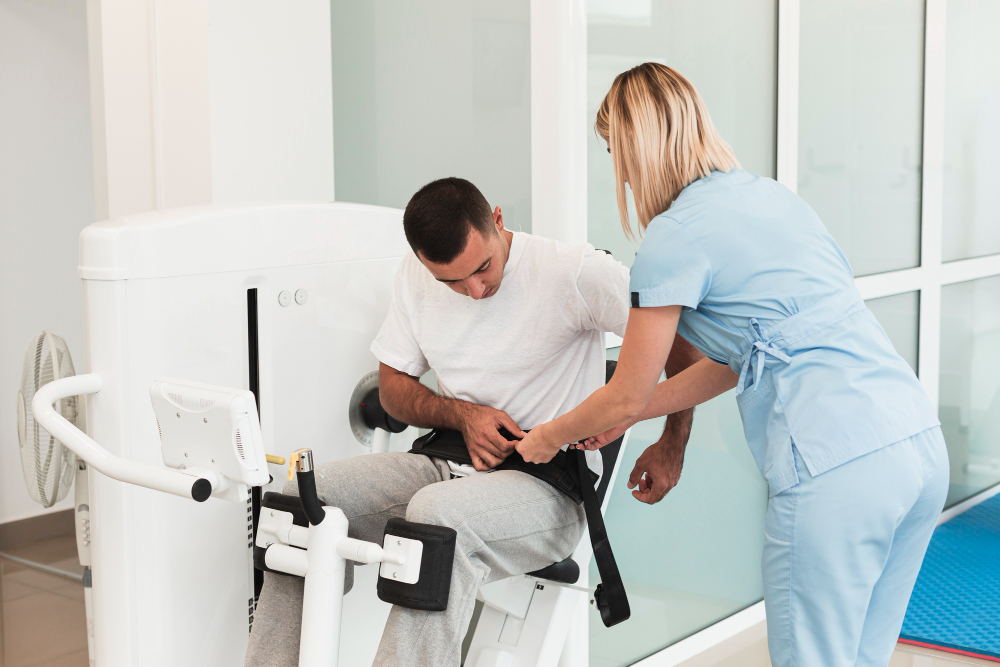
What is Post-Surgical Rehabilitation?
After surgery, your body needs time and care to heal. Post-surgical rehabilitation is a set of treatments that help you recover safely. In fact, it often includes physical therapy after surgery, exercises, and special care plans. These steps support your body and help you return to daily life. According to the World Health Organization (WHO), rehabilitation can speed up recovery and improve your quality of life.
Common Surgeries Requiring Rehabilitation
Many types of surgery may need post-surgical rehabilitation. For example, some common surgeries include:
However, your doctor will decide if you need rehabilitation after surgery based on your health and procedure.
Goals of Post-Surgical Rehabilitation
Post-surgical rehabilitation has clear goals. First, it aims to help you heal faster. Next, it works to reduce pain and swelling. In addition, it helps you regain strength and movement. Most importantly, it supports your safe recovery after surgery so you can return to your normal activities.
Typical Rehabilitation Process
The rehabilitation process often starts soon after surgery. Usually, your care team will create a plan just for you. For example, your plan may include:
As you heal, your plan may change. Your therapist will guide you through each step, making sure you progress safely.
Key Benefits of Rehabilitation After Surgery
There are many benefits to post-surgical rehabilitation. For instance, it can:
Because of these benefits, many doctors recommend rehabilitation after surgery for a safer recovery.
Common Techniques and Therapies Used
Rehabilitation after surgery uses many helpful techniques. Some common therapies include:
Sometimes, your care team may use special equipment or tools to help you recover safely.
Tips for a Safe and Effective Recovery
To recover well, you can follow some simple tips. First, always follow your doctor’s advice. Next, attend all your therapy sessions. In addition, try to eat healthy foods and drink plenty of water. Rest is important, but gentle movement can help too. If you have questions, ask your care team for help.
With these steps, you can support your safe recovery after surgery.
Preventing Complications During Recovery
Complications can slow down your healing. However, you can lower your risk by being careful. For example, avoid lifting heavy objects or making sudden movements. Wash your hands before touching your wound. If you notice redness, pus, or fever, contact your doctor right away. According to the Centers for Disease Control and Prevention (CDC), early action can prevent serious problems.
When to Seek Medical Advice
Sometimes, you may need extra help during recovery. You should call your doctor if you notice:
Early medical advice can help keep your recovery on track and support your safe return to daily life.